
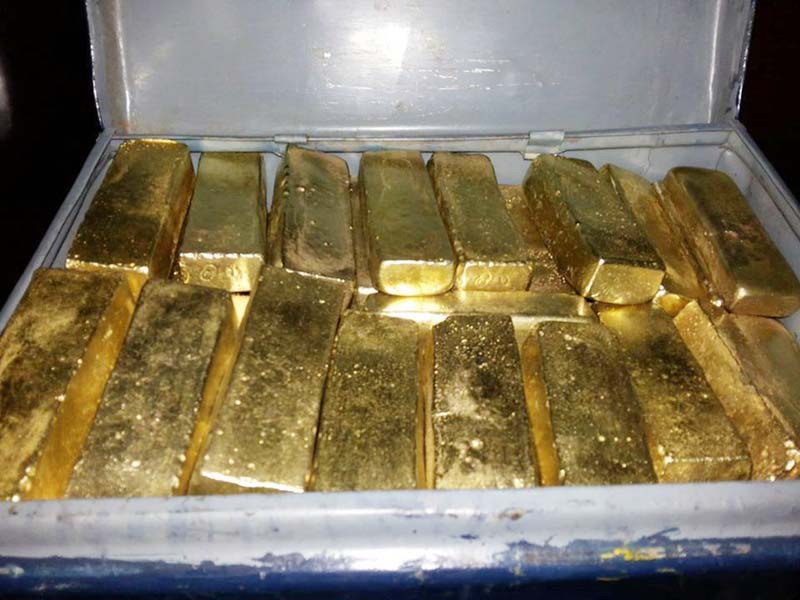
Why Japanese Investors Are Increasingly Buying African Gold

Japanese investors have poured a staggering $2 billion into African gold markets, sparking what experts now call a “gold rush” across the continent. Why Japanese Investors Are Increasingly Buying African Gold can be traced to several trusted sources and market trends that indicate a fundamental shift in global precious metal acquisition strategies. This unprecedented capital influx represents not just opportunistic trading but a strategic repositioning of Japanese investment portfolios toward tangible assets with proven stability during economic uncertainty.
Furthermore, investors seeking to buy gold nuggets in Cameroon, gold bars in Cameroon, or gold dust in Cameroon are finding exceptional value compared to traditional markets. Reputable platforms like Pure Gold & Diamonds have consequently seen increased transaction volumes as Japanese buyers capitalize on Africa’s combination of high-purity standards and competitive pricing. Indeed, this eastward shift of capital reflects a sophisticated understanding of gold’s enduring value proposition – one that transcends geographical boundaries while delivering superior returns compared to conventional investment vehicles. This growing financial relationship between Japan and African gold-producing nations is reshaping mining economies while creating new wealth preservation channels for Asian investors.
Japanese Investors Inject $2B into African Gold Markets – Why Japanese Investors Are Increasingly Buying African Gold
In a historic pivot, Japan is transforming its relationship with Africa from development aid provider to strategic investor, with gold markets receiving unprecedented attention. The Ministry of Foreign Affairs, in collaboration with the African Development Bank, has committed JPY 847.92 billion through the Enhanced Private Sector Assistance program 1. Additionally, Japan’s development agency will direct JPY 231.25 billion toward private sector projects, including mining infrastructure 1.
Record-breaking inflows signal a shift in global gold sourcing
Prime Minister Shigeru Ishiba recently announced a major initiative focusing on the Nacala Corridor, stating, “We will launch a new region-wide co-creation for a common agenda initiative that promotes logistics in the Nacala Corridor, which contributes to strengthening mineral resource supply” 1. This strategic investment signals Japan’s determination to secure critical mineral supply chains, particularly from African sources.
According to Takehiko Matsuo, Vice-Minister for International Affairs at Japan’s Ministry of Economy, Trade and Industry, “Japanese business leaders are now much more proactive about expanding their business globally. Africa is one of the destinations where we expect Japanese companies to grow their presence.” 2 This represents a significant shift, as historically Africa has received just 0.5% of Japan’s foreign direct investment 2.
The investment comes at a critical time for the global gold market. Africa accounts for more than 25% of the world’s gold production, making it the largest regional producer globally 3. Despite this production dominance, the continent holds only 2% of the world’s official gold reserves 3, creating an opportunity for strategic investors.
How Japan’s gold demand is reshaping African mining economies
These investments are already transforming infrastructure across multiple countries. The Strengthening Global Supply Chain through Nacala Corridor Development program directs funds toward capacity expansion and upgrades across Malawi, Zambia, and Mozambique 1. This initiative specifically benefits companies like Sovereign Metals, which plans to build a six-kilometer rail spur connecting its processing plant to Corridor 1.
Frank Eagar, Sovereign Metals chief executive, noted that “The initiative demonstrates the highest level of government backing for the corridor that underpins our project economics, while Japan’s focus on securing critical mineral supply chains aligns perfectly with Kasiya’s world-class rutile and graphite resources” 1.
For African economies, this investment influx offers multiple advantages:
- Improved infrastructure for mining and export
- Direct access to Japan’s high-demand gold market
- Support for sustainable mining practices
- Reduced reliance on traditional trading partners
The timing of Japan’s investment surge coincides with rising gold demand globally. Private and institutional investors are returning to gold markets, with exchange-traded funds recording strong inflows in 2025 4. Moreover, Japanese investors have established partnerships with reliable African gold sellers to ensure authenticity and smooth transactions, minimizing risks in their investments 2.
As the global economy shifts toward de-dollarization, gold is re-emerging as a premier store of value. By strengthening ties with African gold producers, Japan is strategically positioning itself within this evolving financial architecture.
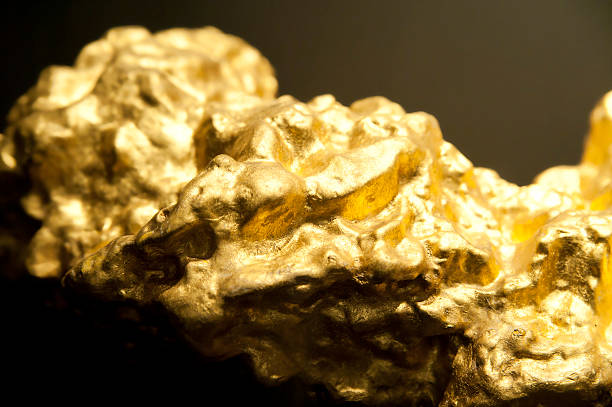
Investors Choose African Gold for Its High Purity and Value – Why Japanese Investors Are Increasingly Buying African Gold
Purity stands as the paramount factor driving Japanese investors toward African gold markets. The continent’s precious metal resources offer exceptional quality standards that align perfectly with Japanese investment criteria and market demands.
African gold meets 22K–24K standards
African gold has established a reputation for exceptional purity, with minerals extracted from countries like Ghana, South Africa, and Uganda consistently meeting or exceeding international standards 5. This gold typically ranges from 22K (91.6% pure) to 24K (99.9% pure), placing it among the world’s highest-quality gold sources 2. Notably, up to 70% of African gold is refined to full 24K standards 2, making it an ideal choice for serious investors seeking maximum value retention.
The distinction between purity levels significantly impacts investment decisions. When comparing common gold standards:
- 24K gold (99.9% pure) contains virtually no alloy metals, representing gold in its purest form 6. This makes it ideal for investment-grade coins and bullion bars where maximum value is the priority.
- 22K gold (91.6% pure) contains a small percentage of other metals such as copper, silver, or zinc 7. Although slightly less pure, this composition offers enhanced durability while maintaining high value.
For Japanese investors focused on wealth preservation, these high-purity standards provide crucial assurance of quality. Many African mining operations have implemented rigorous testing protocols, often providing detailed assay reports that verify purity levels before export 8.
Purity levels drive higher resale value in Japan
The Japanese market places exceptional value on gold purity, which directly influences resale potential 6. Pure 24K gold is universally recognized and easily tradable worldwide, making it particularly attractive for Japanese investors seeking liquidity 6. This purity advantage translates to higher returns when the gold eventually enters Japan’s robust precious metals market.
The investment calculation is straightforward: higher purity means greater gold content by weight, which subsequently commands premium pricing 9. This quality-based pricing structure creates a substantial competitive advantage for African gold, especially when combined with lower acquisition costs.
Quality verification remains essential in this high-value trade relationship. Japanese investors typically require comprehensive certification before completing purchases, including assay certificates confirming the gold meets 22K-24K standards 8. This verification process ensures that all imported African gold satisfies Japan’s stringent quality requirements, ultimately protecting the long-term value of these substantial investments 5.
Lower Acquisition Costs Boost Japanese Profit Margins
Cost efficiency emerges as a crucial factor driving Japanese investment in African gold markets. Beyond high purity standards, African gold presents remarkable economic advantages that directly enhance profit margins for buyers from Japan.
Direct access to miners reduces middleman costs – Why Japanese Investors Are Increasingly Buying African Gold
The traditional gold supply chain involves multiple intermediaries, each adding their markup to the final price. However, Japanese investors have discovered that purchasing directly from African miners or trusted sellers eliminates 3-4 middlemen, resulting in prices 8-18% lower than gold traded via traditional hubs like London 10. This direct-source model effectively bypasses unnecessary brokers and traders who typically drive up costs 11.
As one industry expert noted, “Buying gold directly from miners not only gives access to competitive prices but also allows investors to export legally under government-issued permits” 11. Companies like Gold Buyers Africa facilitate these direct connections, working with reputable local mines and mining communities across Uganda and the Democratic Republic of Congo 12.
This streamlined approach creates immediate financial benefits:
- Near-spot pricing versus significant premiums in traditional markets
- Reduced transaction fees and handling charges
- Legal export pathways with proper documentation
- Verifiable chain of custody from mine to market
Gold prices in Ghana, Uganda, and South Africa remain competitive
Price differentials across major African gold-producing nations present compelling opportunities for Japanese investors. Uganda consistently offers some of the most attractive rates, with 24K gold trading at approximately JPY 15,725.07 per gram—just 1-3% above the global spot price, compared to 4-10% premiums in Dubai, USA, or Europe 13.
Ghana, often called “Africa’s Gold Coast,” provides similarly competitive pricing with lower labor and transportation costs, Ghanaian gold averages about JPY 7,862.54 per gram 14. Meanwhile, South African gold—though slightly higher at approximately JPY 9,250.04 per gram—still remains advantageous for bulk purchases 14.
A real-world comparison illustrates these advantages:
| Region | Approximate Gold Bar Price per Gram (2025) |
|---|---|
| Uganda (direct, 24K) | ~ JPY 19,810.51 |
| Ghana (direct, 24K) | ~ JPY 19,918.43 |
| Dubai (UAE) | ~ JPY 20,226.76 |
| Hong Kong | ~ JPY 20,195.93 |
| Singapore | ~ JPY 19,887.59 |
These figures demonstrate that African mine-direct prices can be substantially lower—often half or more below prices in Asian retail markets once premiums, taxes, and markups are added.
In essence, Japanese investors have recognized that Africa’s cost advantage, coupled with its exceptional purity standards, creates an ideal environment for maximizing returns on gold investments. This economic reality, combined with streamlined export processes, has firmly established African nations as preferred sourcing destinations for the Japanese gold market.
Ethical Sourcing Practices Attract Japanese Capital
Ethical considerations increasingly influence capital flow from Japan to African gold markets, creating mutually beneficial partnerships that extend beyond financial returns.
Fair Trade and responsible mining initiatives gain traction
Fairtrade certification has become a pivotal framework transforming Africa’s mining landscape, guaranteeing miners receive a minimum price of 95% of the London Fix plus a premium for community investment 1. Since 2016, when Syanyonja Artisan Miners Alliance became Africa’s first Fairtrade certified gold mine 15, this model has gained significant momentum. Under Fairtrade standards, miners previously earning as little as 50 pence daily now sell at fair market rates 15.
Comic Relief and Fairtrade have joined with the Dutch government on a JPY 2312.51m scheme supporting ethical gold mining after successful pilots in Uganda 16. These initiatives have yielded remarkable improvements:
- Extraction efficiency increased from 40% to 70% through better technology 16
- Formal registration with local governments provides legal protection
- Health and safety conditions dramatically improved
- Child labor eliminated from certified operations 1
The first Ugandan Fairtrade gold shipment reached international markets in late 2017, establishing vital supply channels 16.
Japanese investors align with ESG and sustainability goals – Why Japanese Investors Are Increasingly Buying African Gold
Japan has committed JPY 231.25 billion in impact investments specifically targeting African sustainable development 17. These investments deliberately generate measurable social and environmental benefits alongside financial returns 17. For Japanese capital, African gold represents an opportunity to match investment philosophy with concrete action.
Rwanda, exporting JPY 123333.90 million in minerals annually, exemplifies this approach by implementing strict guidelines requiring mining companies to invest at least 2% of revenue into land rehabilitation 18. Likewise, Botswana reinvests 25% of diamond revenues into infrastructure, education, and environmental conservation 18.
Japanese investors recognize that ethically sourced gold maintains superior long-term market value 2. Therefore, their capital supports transparent supply chains, with detailed documentation and certifications confirming authenticity 2. This commitment to responsible mining produces multiplier effects: economic development, job creation, improved healthcare, and educational opportunities in mining regions 2.
As global pressure intensifies for sustainable practices—evidenced by the EU’s Critical Raw Materials Act mandating strict sustainability guidelines for imported minerals—Japanese-African partnerships are positioning themselves at the forefront of responsible gold sourcing 18.
Trade Agreements and Logistics Simplify Gold Imports
Trade agreements between Japan and African nations have emerged as a critical foundation for the growing gold trade. These strategic partnerships unlock substantial economic advantages for both Japanese investors and African mining communities alike.
Japan-Africa trade pacts reduce tariffs and streamline customs
The Japanese government has launched initiatives to help African nations create more efficient customs authorities, effectively reducing distribution times and costs 19. This customs modernization program directly supports Japanese companies expanding in African markets. Currently, Japan’s trade with Africa represents significant economic activity, with 2021 figures showing 1.0512 trillion JPY in exports and 1.5306 trillion JPY in imports 20.
Formal trade agreements provide Japanese gold investors with clear advantages, given that:
- Streamlined customs processes expedite shipments
- Reduced tariffs lower overall acquisition costs
- Standardized documentation requirements minimize delays
These formal agreements create particularly favorable conditions for investors looking to buy gold nuggets in Cameroon or purchase gold bars from other African nations.
Partnerships with firms like Gold Buyers Africa ensure smooth transactions
Beyond government-level agreements, strategic business partnerships play an essential role in facilitating gold trade. Gold Buyers Africa has become a trusted intermediary, offering comprehensive services throughout the export process 8. Their support includes:
- Connecting investors to licensed, authentic gold suppliers across Africa
- Handling document processing and securing export permits
- Arranging secure transportation with appropriate insurance coverage
Through these partnerships, Japanese investors gain confidence in sourcing authentic African gold while minimizing potential risks 2. Gold Buyers Africa takes responsibility for ensuring compliance with all legal requirements in both Africa and Japan, making the entire transaction process considerably more straightforward 8.
For Japanese investors unfamiliar with African markets, these established partnerships provide valuable guidance on navigating local regulations, ultimately creating a more accessible pathway to high-quality gold investments.
Long-Term Wealth Creation Drives Strategic Gold Buying
Beyond immediate returns, strategic wealth preservation primarily drives Japanese investment in African gold. The market demonstrates how fundamental economic principles are reshaping global investment patterns. Discover why Japanese investors are turning to African gold. Learn about supply advantages, pricing, investment security, & long-term growth opportunities.
Gold as a hedge against inflation and currency risk – Why Japanese Investors Are Increasingly Buying African Gold
In 2025, approximately 20 African central banks have begun building gold reserves to protect against currency depreciation and inflation pressures 3. This mirrors Japanese investor behavior, who view gold as protection against inflation and yen devaluation 4. The Japanese yen has depreciated by 8.7% against the dollar this year alone 4, propelling investors toward tangible assets. Why Japanese Investors Are Increasingly Buying African Gold
Gold’s historic resilience in both the Japanese and African contexts highlights its universal role as a shield against economic uncertainty. Recently, South African investors have seen portfolio gains that outpaced both inflation and equities 21. Simultaneously, as the rand weakens, gold priced in dollars becomes increasingly valuable locally 21.
Japanese ETFs increase holdings despite high prices
Japanese gold ETFs have steadily increased holdings even at record price levels 4. Asian funds, including Japanese, dominated global ETF investments with six consecutive months of inflows 22. In June, Japanese ETF inflows reached JPY 154.17 billion for 2025’s first half 23.
Currently, gold trades near JPY 616,669 per ounce in global markets 24, yet Japanese investment continues growing. This ongoing demand reflects investor recognition of gold’s proven stability, attractive long-term returns, and strong performance during crises 25.
Conclusion – Why Japanese Investors Are Increasingly Buying African Gold
The surge of Japanese capital into African gold markets marks a transformative shift in global investment strategies. Japanese investors have clearly recognized Africa as a premier destination for gold acquisition, pouring $2 billion into markets across the continent. This eastward movement of capital stems from multiple compelling factors working together. African gold consistently meets exceptional purity standards between 22K and 24K, therefore commanding higher resale values within Japanese markets. Additionally, direct access to miners significantly reduces acquisition costs, creating profit margins 8-18% higher than traditional gold trading hubs offer.
Ethical considerations undoubtedly play a crucial role as well. Fair trade initiatives throughout Africa’s mining regions align perfectly with Japanese investors’ growing emphasis on ESG principles. Meanwhile, strategic trade agreements between Japan and various African nations have eliminated previous barriers, streamlining customs processes and reducing tariffs that once complicated cross-border gold transactions. Why Japanese Investors Are Increasingly Buying African Gold
Perhaps most significantly, this investment relationship addresses fundamental economic needs for both parties. African mining communities gain vital capital for infrastructure development and sustainable practices, whereas Japanese investors secure tangible assets that protect against inflation and currency devaluation. The Japanese yen’s recent 8.7% depreciation against the dollar has certainly accelerated this trend toward gold as a stable store of value. Discover why Japanese investors are turning to African gold. Learn about supply advantages, pricing, investment security, & long-term growth opportunities. Why Japanese Investors Are Increasingly Buying African Gold
Looking ahead, this Japan-Africa gold partnership appears positioned for continued growth. The complementary economic advantages, coupled with improved logistics and ethical sourcing frameworks, create a mutually beneficial relationship that transcends traditional investment patterns. Ultimately, this gold rush represents more than opportunistic trading – it signals a profound reshaping of global wealth preservation strategies with African resources at its center. Why Japanese Investors Are Increasingly Buying African Gold